
 English
 Español


Article Directory
- 1 What is polyester DTY yarn and how is it made in textile production?
- 2 What are the main types of polyester DTY yarn?
- 3 Where is polyester DTY yarn commonly used?
- 4 What performance properties should polyester DTY yarn provide?
- 5 How is polyester DTY yarn manufactured?
- 6 What is the difference between DTY, FDY and POY yarn?
- 7 What are the limitations of polyester DTY yarn?
- 8 What is the future trend of polyester DTY yarn in global textile industry?
- 9 FAQ
Selecting the right polyester DTY yarn starts with understanding that this is a texturized, continuous filament yarn engineered to give polyester fabrics a stretch and softness that raw filament yarn cannot provide on its own. Because it sits at the intersection of cost efficiency and fabric performance, polyester DTY yarn has become a default input across knitting, weaving, and garment manufacturing worldwide. This guide breaks down how the yarn is produced, its main variations, where it is applied, and how it stacks up against related filament yarn categories.
Polyester DTY yarn is produced by texturizing POY, or partially oriented yarn, through a drawing and false-twist process that permanently locks crimp into the filament, giving the finished yarn stretch, bulk, and a fuller handfeel than untextured filament yarn.
What is polyester DTY yarn and how is it made in textile production?
Polyester DTY yarn is a draw textured polyester yarn produced by mechanically processing POY into a crimped, elastic filament suited for direct use in knitting and weaving. The filament yarn texturizing process changes the yarn's physical structure without changing its underlying polyester chemistry, meaning the synthetic fiber yarn structure gains coil-like texture while retaining the strength and consistency associated with continuous filament production.
The POY to DTY conversion process is the defining step in this yarn's production chain. POY itself is only partially drawn and is not intended for direct fabric use; it must pass through further drawing and texturizing before it becomes a finished, market-ready yarn. What is polyester DTY yarn used for follows directly from this structure: any fabric application that benefits from stretch recovery, softness, or bulk without the higher cost of natural fibers is a candidate for DTY.
Why DTY yarn is important in textile manufacturing comes down to versatility. A single texturizing line can produce yarn variants across a wide denier and filament count range, allowing manufacturers to serve knitwear, wovens, and technical fabrics from a shared base production process rather than requiring separate raw materials for each fabric category.
What are the main types of polyester DTY yarn?
Polyester DTY yarn is differentiated primarily by luster level and by the degree of texturizing or intermingling applied during processing.
| Yarn Variant | Distinguishing Feature | Common Fabric Application |
| Semi dull DTY yarn | Balanced luster with reduced glare | General apparel, everyday knitwear |
| Full dull polyester DTY yarn | Matte finish, low light reflection | Fabrics targeting a natural-fiber look |
| Bright DTY filament yarn | High shine, reflective surface | Linings and decorative textiles |
| Intermingled DTY yarn | Filaments interlaced at intervals | Weaving operations needing yarn cohesion |
| High stretch DTY yarn | Elevated elasticity and recovery | Activewear and fitted garments |
Dull versus bright DTY yarn comparison centers on a delustering agent added during fiber formation, which reduces the filament's reflectivity. Full dull and semi dull variants are typically chosen when a fabric needs to mimic the muted appearance of cotton or wool, while bright DTY filament yarn is used where a fabric benefits from a more polished, reflective surface. Intermingled DTY yarn applications lean heavily toward weaving, where interlaced filaments hold together more reliably under the tension and abrasion of the weaving process than a loosely bundled filament yarn would.
Where is polyester DTY yarn commonly used?
Polyester DTY yarn appears across knitted fabrics, woven textiles, sportswear, home textiles, and general garment manufacturing, making it one of the most broadly applied synthetic yarns in the textile industry.
-
Knitted fabric yarn material — circular and warp knit fabrics rely on DTY yarn's stretch and softness for everyday apparel construction.
-
Woven textile production yarn — intermingled DTY variants support weaving operations that require consistent filament tension.
-
Sportswear fabric yarn — high stretch DTY yarn suits performance garments that must move and recover with the wearer's body.
-
Home textile yarn material — curtains, cushion covers, and similar textiles use DTY yarn for its bulk and cost efficiency.
-
Garment manufacturing fiber — general clothing production draws on DTY yarn across a wide range of denier and filament combinations.
Polyester DTY yarn for clothing production spans casualwear, formalwear linings, and technical apparel alike, since denier, filament count, and texturizing level can all be adjusted to fit a specific fabric's design intent. Where polyester DTY yarn is used in textiles ultimately depends less on the fiber type and more on the specific yarn variant selected for the job.
What performance properties should polyester DTY yarn provide?
Fabric producers generally judge polyester DTY yarn against five practical performance criteria: elasticity, bulkiness, softness, wrinkle resistance, and durability.
Textured yarn structure stretches and recovers under repeated tension
Crimped filament adds apparent volume without added weight
Reduced surface rigidity gives a more pliable fabric hand
Continuous filament structure resists abrasion over repeated use
Elasticity textured yarn behavior is a direct result of the false-twist process, which introduces a coiled filament geometry capable of extending and springing back, unlike flat filament yarn. Bulkiness fiber structure allows fabrics to feel fuller and warmer relative to their actual material weight, while softness textile yarn qualities stem from the same crimped geometry reducing the yarn's surface stiffness.
Wrinkle resistant fabric yarn performance is supported by polyester's thermoplastic nature combined with the heat-setting step of texturizing, which helps DTY-based fabrics recover shape after creasing. Durable polyester filament characteristics, including resistance to repeated washing and mechanical stress, explain why DTY yarn remains a standard choice for garments expected to hold their shape and appearance over an extended usage life.
How is polyester DTY yarn manufactured?
Polyester DTY yarn manufacturing follows a structured sequence that begins with filament extrusion spinning and ends with a fully texturized, ready-to-use yarn.
- Filament extrusion spinning: Molten polyester is extruded through spinnerets to form continuous filaments, which are cooled and wound as POY.
- POY drawing process: The POY is stretched between rollers operating at different speeds, increasing molecular alignment and yarn strength.
- False twist texturing process: A spindle inserts twist into the moving filament as it passes through a heater, and the twist is later removed, leaving a permanently crimped structure.
- Heat setting yarn production: Controlled heat stabilizes the crimp, fixing the yarn's stretch and bulk characteristics before further handling.
- Interlacing and winding: Depending on the target variant, filaments may be interlaced for cohesion before the finished yarn is wound onto packages for delivery.
Texturizing machine technology integrates drawing, twisting, and heat setting into a single continuous operation, allowing producers to run high volumes of consistent yarn from a shared POY feedstock. How polyester DTY yarn is made step by step ultimately reflects this integration, with each stage feeding directly into the next rather than operating as separate, disconnected processes.
What is the difference between DTY, FDY and POY yarn?
DTY, FDY, and POY all originate from the same filament extrusion spinning process but diverge in how much drawing and texturizing is applied before the yarn reaches its final form.
DTY Yarn
- Fully drawn and texturized
- Crimped, elastic filament structure
- Bulkier, softer fabric feel
- Ready for direct fabric production
FDY and POY Yarn
- FDY: fully drawn yarn structure, but not texturized, so it stays smooth
- POY: partially oriented yarn, an intermediate product
- Lower stretch and bulk than DTY
- POY generally requires further processing before fabric use
DTY versus FDY yarn comparison generally comes down to surface texture and stretch: FDY yarn structure remains straight and smooth, making it suitable for fabrics that call for a crisp, uniform filament look, while DTY's texturized structure favors fabrics prioritizing softness and elasticity. POY versus DTY yarn differences are more foundational, since POY is not a finished yarn but a semi-processed feedstock. This filament yarn classification means fabric producers choose between DTY, FDY, or blends of both depending on the specific texture, drape, and stretch profile a fabric design calls for.
What are the limitations of polyester DTY yarn?
Polyester DTY yarn carries a set of known limitations that manufacturers account for during fabric development and finishing.
Known Limitations
- Pilling tendency fabric in certain loosely constructed knits
- Heat sensitivity polyester fiber during high-temperature processing
- Dyeing variation yarn issues across different production lots
- Static electricity synthetic yarn buildup in dry conditions
- Environmental impact polyester fiber considerations tied to virgin resin sourcing
How These Are Managed
- Choosing tighter fabric constructions and appropriate finishing
- Controlling temperature carefully during dyeing and heat setting
- Applying consistent lot testing before bulk fabric production
- Using anti-static finishes or fiber blending where needed
- Increasing use of recycled feedstock to reduce resin dependency
Does DTY yarn pill easily depends largely on fabric construction rather than the yarn alone, since tightly knitted or woven structures generally resist pilling better than loose constructions. Disadvantages of polyester DTY yarn are broadly manageable through processing and finishing controls, which is a key reason the yarn remains widely used despite these limitations of polyester textured yarn in clothing.
What is the future trend of polyester DTY yarn in global textile industry?
Recycled polyester DTY yarn is becoming a more prominent segment of the market, aligned with broader sustainable textile fiber innovation and rising demand for yarn made from recycled plastic feedstock rather than virgin resin.
Eco friendly yarn production practices are being explored across the extrusion, drawing, and dyeing stages of DTY manufacturing, with the goal of reducing water and energy consumption while preserving the yarn's core performance properties. The circular textile economy is increasingly relevant to DTY producers as recycling infrastructure for polyester textile waste continues to mature, supporting more consistent recycled feedstock supply. Low carbon fiber materials, including DTY yarn produced with reduced-emission processes, are gaining attention as buyers across the apparel supply chain place more weight on environmental performance alongside cost and quality. Future of polyester DTY yarn industry growth is likely to include a gradual shift toward recycled content, without displacing conventional polyester DTY yarn, which will likely continue serving cost-sensitive segments of the market for the foreseeable future.
FAQ
What is polyester DTY yarn?
Polyester DTY yarn is a draw texturized filament yarn made from polyester, processed to have a crimped, elastic structure suited for knitting and weaving.
What is DTY yarn used for?
DTY yarn is used in knitted and woven fabrics for apparel, sportswear, and home textiles, wherever stretch, softness, and bulk are needed in the finished material.
What is the difference between DTY and FDY yarn?
DTY is texturized into a crimped, stretchable structure, while FDY is fully drawn but not texturized, remaining a smoother and less elastic filament yarn.
Is DTY yarn stretchable?
Yes, DTY yarn is inherently stretchable due to its texturizing process, and high stretch DTY variants offer additional elasticity for activewear and fitted garments.
How is polyester DTY yarn made?
Polyester DTY yarn is made by drawing POY and passing it through a false-twist texturizing machine, where heat setting locks in a permanent crimped structure.
Is DTY yarn polyester or nylon?
DTY yarn is most commonly produced from polyester, though texturizing technology can also be applied to nylon; the term DTY on its own refers to the texturizing process rather than a specific fiber type.
-2.png "Antibacterial and anti-odorant polyester DTY yarn White/Grey ZY0050-ZY0238FM")
-3.png "Wash-resistant and wear-resistant polyester DTY yarn Yellow/Grey/White ZY0076-ZY0334 178")
-3.png "Full-color custom polyester DTY yarn Silver Series ZE0006-ZE0668 121")
-2.png "Anti-wrinkle and antibacterial polyester DTY yarn Green Series ZG0136 Grass Green 084")
-2.png "High-performance environmentally friendly polyester DTY yarn Brown Series ZN0085 FM")
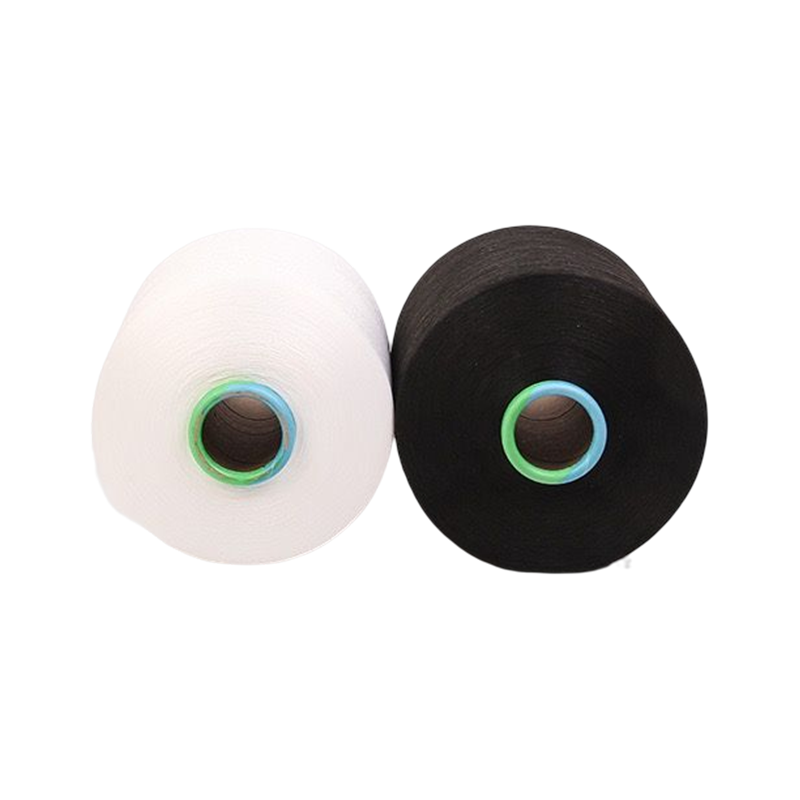
-2.png "Lightweight soft polyester DTY yarn Light Pink/Red/White/Purple/Yellow ZR0161-ZR0313 758")
-2.png "High elastic environmentally friendly polyester DTY yarn Blue Series ZB0118 350")
