
 English
 Español


Article Directory
- 1 1What Is Polyester Draw Textured Yarn and How Is It Produced?
- 2 2Why Is Polyester Draw Textured Yarn Important in Modern Fabric Production?
- 3 3What Are the Key Advantages of Polyester Draw Textured Yarn?
- 4 4How Does Polyester Draw Textured Yarn Improve Fabric Quality?
- 5 5Where Is Polyester Draw Textured Yarn Commonly Used?
- 6 6Why Is Polyester Draw Textured Yarn Suitable for Knitted Fabrics?
- 7 7Polyester DTY vs Fully Drawn Yarn: What Are the Differences?
- 8 8How to Choose the Right Polyester Draw Textured Yarn for Fabric Production?
- 9 9How Does Recycled Polyester Draw Textured Yarn Support Sustainable Textile Production?
- 10 10How Is Polyester Draw Textured Yarn Quality Tested?
- 11 11What Are the Future Trends of Polyester Draw Textured Yarn?
- 12 12FAQ
- 12.1 What is polyester draw textured yarn used for?
- 12.2 What are the advantages of polyester DTY yarn?
- 12.3 Is DTY yarn suitable for knitted fabrics?
- 12.4 What is the difference between DTY and FDY yarn?
- 12.5 How is polyester DTY yarn manufactured?
- 12.6 How do I select the right DTY yarn for fabric production?
Polyester Draw Textured Yarn has become one of the most relied-upon raw materials in modern fabric manufacturing, prized for the way it turns a simple polyester filament into a soft, elastic, bulk-rich yarn ready for knitting and weaving. This guide walks through how the yarn is made, why mills specify it, and how to select the right grade for a given fabric program.
1What Is Polyester Draw Textured Yarn and How Is It Produced?
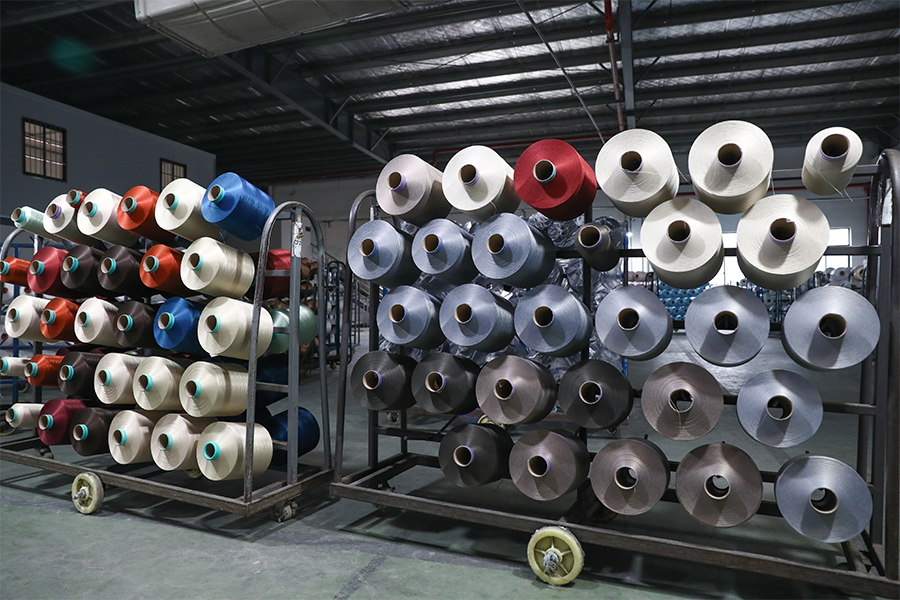
Polyester Draw Textured Yarn (DTY) is a polyester filament yarn that has been drawn and false-twist textured to convert a flat, glassy filament into a crimped, spring-like structure. That crimp is what separates DTY from plain fully oriented yarn: it gives the strand built-in stretch, a softer surface feel, and a fuller hand once it is knitted or woven into fabric. Polyester DTY yarn is now a default input across apparel, home textile, and industrial fabric programs precisely because texturing solves problems that flat filament yarn cannot.
The manufacturing sequence is systematic rather than improvised, and each stage exists to lock in a specific property:
Polyester filament preparation
Partially oriented polyester filament is selected and staged as the feedstock for texturing.
Drawing process
The filament is stretched under controlled tension, aligning the polymer chains and building tensile strength.
False twisting
The yarn is twisted, heat-set, then untwisted, which is the exact mechanism that creates the permanent crimp.
Heat setting
Controlled heat locks the crimped configuration so the texture survives downstream knitting or weaving tension.
Winding and packaging
Yarn is wound onto packages sized for direct feed into knitting or warping equipment.
Quality inspection
Denier, elongation, and appearance are checked against spec before release to production.
Texturing improves three things a mill cares about immediately: yarn bulkiness, flexibility, and the resulting fabric comfort. Because textile raw materials this consistent are hard to source at scale, DTY has become a benchmark input rather than a niche option.
2Why Is Polyester Draw Textured Yarn Important in Modern Fabric Production?
Fabric manufacturers running high-volume lines need a yarn with stable performance and predictable processing behavior, and polyester DTY yarn was engineered to meet exactly that requirement. It sits at a practical midpoint between durability, comfort, and appearance, which is why it scales cleanly across large-scale textile production rather than staying limited to specialty runs.
The core value a mill extracts from this filament yarn breaks down into three areas: improved fabric performance across wear cycles, better processing efficiency on knitting and weaving machinery, and a wider range of application possibilities than an untextured yarn could support. Those three factors together explain why DTY has moved from a specialty input to a standard textile raw material across so many finished-goods categories.
3What Are the Key Advantages of Polyester Draw Textured Yarn?
Soft and Comfortable Hand Feel
The textured structure creates a noticeably softer touch against skin, improving wearing comfort in apparel end-uses.
Good Elasticity and Flexibility
Crimped filaments give better stretch recovery, which suits active and comfort-driven fabric categories.
Excellent Bulkiness and Coverage
Higher bulk improves fabric fullness and gives finished goods a more substantial visual appearance.
High Durability
The underlying polyester structure supplies the tensile strength needed for long-term, repeated-use fabrics.
Stable Processing Performance
Consistent yarn quality package to package supports efficient, low-downtime knitting and weaving production.
4How Does Polyester Draw Textured Yarn Improve Fabric Quality?
Once DTY is knitted or woven, its influence on the finished fabric is measurable in four distinct ways. The textured filament structure produces a softer and more flexible fabric hand than flat yarn allows. It also delivers a smoother, more uniform surface appearance, since the consistent crimp evens out the fabric face. Wearing comfort improves as a direct result of the added flexibility, and shape retention improves because the textured filament resists distortion under repeated stress.
Working definition: Polyester DTY yarn is polyester filament that has been drawn for strength and false-twist textured for crimp, giving finished fabric a combination of softness, stretch, and bulk that flat filament yarn cannot reproduce.
5Where Is Polyester Draw Textured Yarn Commonly Used?
| Segment | Typical Applications | Key Advantage |
| Sportswear Fabrics | Activewear, fitness clothing, outdoor fabrics | Flexibility, comfort, durability |
| Casual and Fashion Fabrics | Clothing fabrics, decorative textiles | Soft touch, attractive appearance |
| Home Textiles | Curtains, bedding, upholstery fabrics | Easy maintenance, long service life |
| Industrial Textiles | Functional and technical fabrics | Strength, stable performance |
Across all four segments the common thread is that DTY yarn applications favor fabrics that need to balance comfort with performance — something plain filament yarn is rarely asked to do on its own.
6Why Is Polyester Draw Textured Yarn Suitable for Knitted Fabrics?
Knitted structures depend on yarn that can flex repeatedly without losing shape, and that is precisely where textured filament yarn outperforms flat yarn. Good elasticity, a soft texture, and comfortable wearing performance all combine to suit the flexible loop structures that knitting produces. This makes DTY yarn for knitting the default choice for T-shirts, sportswear, underwear fabrics, and stretch fabrics, where fabric recovery after stretching matters as much as initial comfort.
7Polyester DTY vs Fully Drawn Yarn: What Are the Differences?
Polyester DTY
- Textured filament structure
- Higher elasticity
- Softer hand feel
- Better bulk effect
Best for knitted fabrics, stretch fabrics, comfortable clothing.
Fully Drawn Yarn (FDY)
- Smooth filament structure
- Higher orientation
- Better dimensional stability
Best for woven fabrics, smooth surface textiles.
| Factor | DTY | FDY |
| Structure | Textured | Smooth |
| Elasticity | Higher | Lower |
| Hand Feel | Softer | Smoother |
| Main Use | Knitted fabrics | Woven fabrics |
8How to Choose the Right Polyester Draw Textured Yarn for Fabric Production?
Selecting the correct Polyester Draw Textured Yarn grade from a DTY yarn supplier comes down to five practical checkpoints rather than guesswork:
- Yarn Denier — governs fabric thickness, texture, and target application
- Filament Count — drives softness and surface appearance
- Strength and Elongation — must be matched to fabric requirements and end use
- Dyeing Performance — affects color consistency and finished fabric appearance
- Production Compatibility — needs to suit the mill's specific knitting equipment or weaving process
9How Does Recycled Polyester Draw Textured Yarn Support Sustainable Textile Production?
Demand for sustainable fabrics is reshaping how yarn is sourced, and recycled polyester DTY yarn is a direct response to that shift. Ongoing development in recycled polyester yarn technology is improving resource efficiency without abandoning the texturing benefits mills rely on. The direction of travel points toward broader recycled DTY solutions, lower environmental impact production methods, and textile supply chains built around sustainable eco friendly polyester yarn rather than virgin material by default.
10How Is Polyester Draw Textured Yarn Quality Tested?
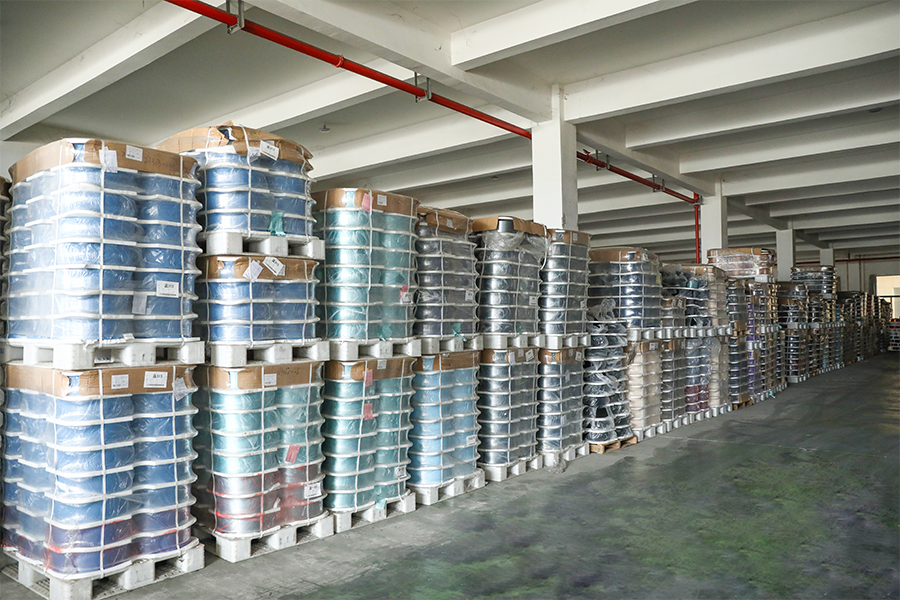
Beyond physical properties, appearance quality is checked for yarn uniformity and surface defects, and processing performance is evaluated by running the yarn through representative weaving efficiency and knitting performance trials before a lot is approved for shipment.
11What Are the Future Trends of Polyester Draw Textured Yarn?
The next phase of polyester yarn trends centers on sustainable polyester materials, functional DTY yarn development, customized yarn solutions built for specific fabric programs, and a general push toward higher performance textile materials across every end-use segment. Mills that track these trends early tend to secure supply advantages as recycled and functional grades move from pilot volumes into mainstream production.
 |
 |
12FAQ
What is polyester draw textured yarn used for?
It is used across sportswear, casual and fashion fabrics, home textiles, and industrial textiles wherever a fabric needs comfort, bulk, and elasticity.
What are the advantages of polyester DTY yarn?
Softness, elasticity, bulk and coverage, durability, and stable processing performance are the five core advantages.
Is DTY yarn suitable for knitted fabrics?
Yes — its elasticity and soft texture make it a strong fit for T-shirts, sportswear, underwear fabrics, and other stretch fabrics.
What is the difference between DTY and FDY yarn?
DTY is textured with higher elasticity and a softer hand, suited to knitted fabrics; FDY is smooth and dimensionally stable, suited to woven fabrics.
How is polyester DTY yarn manufactured?
Through filament preparation, drawing, false twisting, heat setting, winding, and quality inspection.
How do I select the right DTY yarn for fabric production?
Match denier, filament count, strength and elongation, dyeing performance, and production compatibility to the target fabric and equipment.
-2.png "High-performance environmentally friendly polyester DTY yarn Brown Series ZN0085 FM")
-2.png "Antibacterial and anti-odorant polyester DTY yarn White/Grey ZY0050-ZY0238FM")
-2.png "Lightweight soft polyester DTY yarn Light Pink/Red/White/Purple/Yellow ZR0161-ZR0313 758")
-3.png "Wash-resistant and wear-resistant polyester DTY yarn Yellow/Grey/White ZY0076-ZY0334 178")
-3.png "Full-color custom polyester DTY yarn Silver Series ZE0006-ZE0668 121")
-2.png "High elastic environmentally friendly polyester DTY yarn Blue Series ZB0118 350")
-2.png "Anti-wrinkle and antibacterial polyester DTY yarn Green Series ZG0136 Grass Green 084")
