
 English
 Español


Article Directory
- 1 What Is Polyester Draw Textured Yarn and How Is It Made
- 2 2Key Properties That Make Polyester DTY Yarn Suitable for Fabric Production
- 3 3Applications of Polyester DTY Yarn in Textile Manufacturing
- 4 4How Polyester DTY Yarn Is Manufactured
- 5 5Factors to Consider When Selecting Polyester DTY Yarn
- 6 6Polyester DTY Yarn Compared With FDY and POY
- 7 7Future Trends in Polyester DTY Yarn
Softness that lasts through a hundred washes, stretch that snaps back into shape, a bulkier hand feel without extra fiber weight, these are the reasons polyester draw textured yarn shows up across so much of today's apparel, sportswear, and home textile production. DTY yarn takes fully drawn polyester filament one step further, adding texture that fundamentally changes how the finished fabric feels and performs.
What Is Polyester Draw Textured Yarn and How Is It Made
Polyester draw textured yarn, known as DTY yarn, is polyester filament that has been fully drawn and then mechanically textured through a false-twist process, giving it crimp, bulk, and stretch that straight filament yarn does not have. That texturing step is the defining feature separating DTY from its two closest relatives in the polyester yarn family.
DTY vs FDY vs POY
Partially oriented yarn (POY) is an early-stage product still requiring a drawing step before it can be used in fabric. Fully drawn yarn (FDY) completes that drawing but stays smooth and straight. DTY takes the drawing a step further by adding false-twist texturing, producing a crimped, springy yarn with far more stretch and bulk than either POY or FDY offer on their own.
How the Texturing Process Works
Drawn filament is fed through a false-twist unit, which twists the yarn, heat-sets that twist, then untwists it. The filament retains a helical crimp from this process, which is what gives DTY its elasticity and soft, voluminous hand feel compared to straight yarn.
2Key Properties That Make Polyester DTY Yarn Suitable for Fabric Production
Crimped filament structure creates a softer hand feel than smooth filament fabrics.
The false-twist crimp allows fabric to stretch and return to shape without sagging.
Textured filaments trap more air, giving fabric visual and tactile fullness at lower weight.
The drawn base filament retains strength, supporting long-term durability in finished goods.
3Applications of Polyester DTY Yarn in Textile Manufacturing
Apparel and fashion fabric producers use DTY for garments that need drape and softness against the skin, while sportswear and functional textile manufacturers rely on its stretch recovery for performance fits that hold shape through movement. Home textile applications, including curtain and upholstery fabric, benefit from the bulk and softness DTY brings to woven and knit constructions, and industrial or technical textile producers use it where a durable yet flexible filament is required.
Because texturing is applied after drawing rather than during it, mills can specify a single base filament and vary twist and texturing parameters to hit different softness, stretch, and bulk targets across product lines without switching raw material sources.
4How Polyester DTY Yarn Is Manufactured
- Filament preparation: polyester filament is spun and prepared as feedstock for texturing.
- Drawing and stretching: the filament is drawn under controlled tension to establish base strength and orientation.
- False-twist texturing: the drawn filament is twisted, heat-set, and untwisted to lock in permanent crimp.
- Heat setting and inspection: the textured yarn is heat-stabilized and tested for elongation, bulk, and consistency before packaging.
5Factors to Consider When Selecting Polyester DTY Yarn
| Selection Factor | Why It Matters |
| Denier and filament count | Determines fabric weight and how fine or bulky the finished cloth feels |
| Twist level and texturing parameters | Controls the degree of stretch, crimp, and softness in the yarn |
| Strength and elongation | Must match the mechanical demands of the intended end use |
| Dyeing performance | Affects color uniformity and compatibility with the finishing process |
| Machine compatibility | Ensures smooth running on the mill's specific knitting or weaving equipment |
6Polyester DTY Yarn Compared With FDY and POY
Crimped, elastic, bulky. Best for soft-hand, stretch fabrics like apparel and sportswear.
Smooth, stable, ready to use. Best for crisp, dimensionally stable woven fabrics.
Partially processed, intermediate stage. Best as feedstock for further drawing or texturing.
7Future Trends in Polyester DTY Yarn
Functional variants of DTY yarn are expanding to include moisture-wicking and stretch-enhanced performance fibers as sportswear demand grows, while recycled polyester feedstock is becoming more common as brands push for lower-impact textile supply chains. Texturing technology itself also continues to improve, giving mills finer control over softness and bulk targets.
Polyester DTY yarn earns its place in fabric production through a texturing process that adds softness, stretch, and bulk that straight filament yarn cannot match. For mills producing apparel, sportswear, home textiles, or technical fabrics that need comfort and stretch recovery, DTY remains the practical default.
-2.png "High-performance environmentally friendly polyester DTY yarn Brown Series ZN0085 FM")
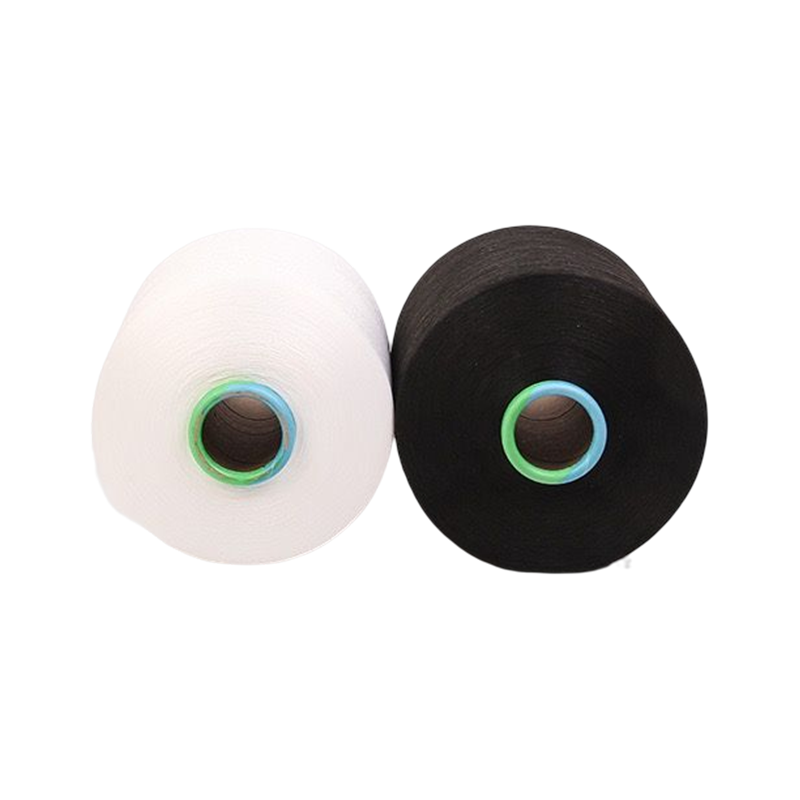
-2.png "Antibacterial and anti-odorant polyester DTY yarn White/Grey ZY0050-ZY0238FM")
-2.png "Lightweight soft polyester DTY yarn Light Pink/Red/White/Purple/Yellow ZR0161-ZR0313 758")
-3.png "Wash-resistant and wear-resistant polyester DTY yarn Yellow/Grey/White ZY0076-ZY0334 178")
-3.png "Full-color custom polyester DTY yarn Silver Series ZE0006-ZE0668 121")
-2.png "High elastic environmentally friendly polyester DTY yarn Blue Series ZB0118 350")
-2.png "Anti-wrinkle and antibacterial polyester DTY yarn Green Series ZG0136 Grass Green 084")
