
 English
 Español


Article Directory
Stretch is not optional in modern activewear, and that is exactly what polyester draw textured yarn delivers: a false-twist texturing process crimps straight polyester filament into a springy, bulky structure with genuine recovery. That single processing step is why DTY, rather than flat FDY, ends up in leggings, jersey knits, and seamless garments.
What Is Polyester Draw Textured Yarn and How Is It Made?
Polyester draw textured yarn starts life as partially oriented yarn, then passes through a false-twist texturing machine where heat and mechanical twisting introduce a permanent crimp into each filament. This crimped structure is what gives DTY its bulk, softness, and stretch recovery — properties that flat, fully drawn yarn does not have. The result is a yarn built specifically for knitted and stretch-woven fabrics rather than rigid structural textiles.
Standard base yarn for general apparel
Balanced luster for everyday fabrics
High-gloss finish for fashion textiles
Post-consumer polyester for sustainable lines
Key Performance Advantages of Polyester DTY
Crimped filament structure improves comfort against the skin compared to flat yarn.
Textured crimp gives fabric genuine stretch and shape recovery after wear.
Higher loft than flat yarn allows lighter fabrics with the same opacity.
Holds up under repeated flexing in activewear and performance garments.
Where Is Polyester Draw Textured Yarn Used?
DTY's stretch and softness make it the default choice wherever fabric needs to move with the body: sportswear and fitness clothing, knitted jersey and leggings, seamless underwear garments, casual apparel and jackets, home textiles like curtains and sofa fabrics, automotive seat covers, and select industrial or technical textiles where flexibility matters as much as strength.
Why Knitters Prefer DTY Over FDY
Flat FDY works for woven structural fabrics, but knitted stretch fabrics rely on the crimped filament in polyester draw textured yarn to hold their shape through repeated stretching and washing cycles.
Polyester DTY Compared with FDY, POY, and Nylon
| Yarn Type | Stretch | Hand Feel | Typical Use |
| Polyester DTY | High | Soft, bulky | Knitwear, activewear |
| FDY | Low | Smooth, flat | Woven fabrics |
| POY | Very high | Unstable, feedstock only | Input for DTY/FDY |
| Nylon Yarn | High | Softer, costlier | Premium stretch fabrics |
Factors to Consider When Choosing Polyester DTY
Start with denier and filament count relative to the target fabric weight, then confirm stretch and elasticity requirements against the garment's intended movement range. Dyeing method and color-fastness needs, along with compatibility with the buyer's existing knitting or weaving setup, should be confirmed before committing to bulk supply.
Frequently Asked Questions
What is the difference between DTY and FDY yarn?
DTY is textured with a false-twist crimp for stretch and bulk, while FDY is flat and fully oriented for smooth woven fabrics.
Is polyester DTY suitable for sportswear?
Yes, its stretch recovery and moisture-appropriate structure make it a standard choice for activewear and fitness clothing.
Can polyester DTY be dyed different colors?
Yes, both piece-dyeing after knitting and dope-dyeing during production are widely used for DTY yarn.
Is recycled polyester DTY as strong as virgin DTY?
Quality recycled DTY can match virgin yarn performance when sourced from well-controlled post-consumer polyester streams.
-2.png "Anti-wrinkle and antibacterial polyester DTY yarn Green Series ZG0136 Grass Green 084")
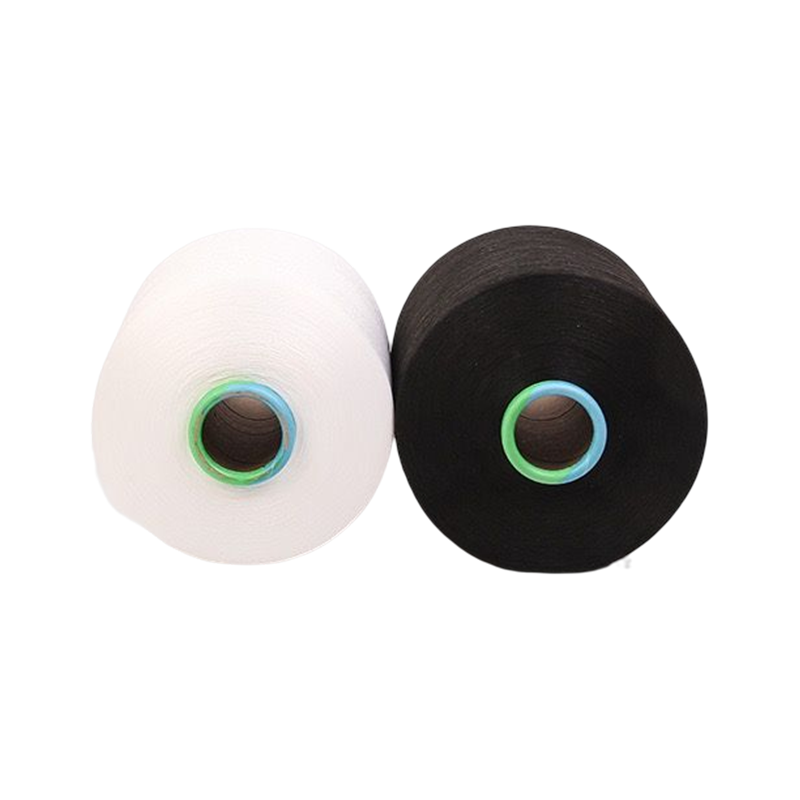
-2.png "Antibacterial and anti-odorant polyester DTY yarn White/Grey ZY0050-ZY0238FM")
-2.png "Lightweight soft polyester DTY yarn Light Pink/Red/White/Purple/Yellow ZR0161-ZR0313 758")
-3.png "Wash-resistant and wear-resistant polyester DTY yarn Yellow/Grey/White ZY0076-ZY0334 178")
-3.png "Full-color custom polyester DTY yarn Silver Series ZE0006-ZE0668 121")
-2.png "High elastic environmentally friendly polyester DTY yarn Blue Series ZB0118 350")
-2.png "Multifunctional Environmentally friendly recycled polyester DTY yarn Purple ZP0471-ZP0566 306")
