
 English
 Español


Article Directory
- 0.1 1. Influence of Yarn Ply and Structure
- 0.2 2. Twist Level Optimization
- 0.3 3. Post-Treatment Processes
- 0.4 4. Balancing Yarn Structure and Finishing
- 0.5 5. Best Practices for Maximizing Nylon Polyester Yarn Performance
- 1 FAQs
- 1.1 1. How does ply number affect Nylon Polyester Yarn performance?
- 1.2 2. What is the optimal twist level for durable performance?
- 1.3 3. Which post-treatment processes enhance yarn durability?
- 1.4 4. How can yarn structure and finishing be balanced for industrial fabrics?
- 1.5 5. How to ensure functional finishes do not compromise hand feel?
Nylon Polyester Yarn is widely used in textiles due to its durability, versatility, and suitability for functional finishing. Optimizing yarn structure and post-treatment processes is key to maximizing mechanical properties, wear resistance, moisture management, and aesthetic performance. This article explores engineering approaches to enhance Nylon Polyester Yarn performance through structural adjustments and finishing technologies.
-1.png)
1. Influence of Yarn Ply and Structure
The number of plies, linear density, and filament arrangement directly affect yarn strength, elongation, and fabric hand.
| Yarn Type | Strength | Elongation | Hand Feel | Application |
|---|---|---|---|---|
| Single-ply nylon polyester yarn | Moderate | High | Soft | Lightweight fabrics |
| Two-ply twisted yarn | High | Moderate | Smooth | Apparel & technical textiles |
| Multi-ply compact yarn | Very High | Low | Firm | Industrial fabrics |
Optimizing ply number and filament arrangement allows ply yarn structure effects to maximize tensile strength and durability.
2. Twist Level Optimization
Twist optimization in polyester nylon yarn enhances mechanical performance and fabric appearance. Key considerations include:
- High twist increases tensile strength but reduces softness.
- Low twist improves flexibility and smoothness but may reduce load-bearing capacity.
- Balanced twist selection depends on end-use requirements.
| Twist Level | Strength | Softness | Durability |
|---|---|---|---|
| Low twist | Moderate | High | Moderate |
| Medium twist | High | Moderate | High |
| High twist | Very High | Low | Very High |
3. Post-Treatment Processes
Post-treatment processes for nylon polyester yarn significantly affect functional and aesthetic properties. Common techniques include:
- Heat setting to stabilize yarn structure and reduce shrinkage.
- Anti-pilling treatments for improved fabric appearance.
- Moisture-wicking or anti-static coatings for enhanced performance.
- Softening and finishing agents to improve hand feel and drape.
| Process | Effect on Yarn | Durability | Challenges |
|---|---|---|---|
| Heat setting | Stabilizes dimensions | High | Energy intensive |
| Anti-pilling finish | Improves appearance | Moderate | May reduce softness |
| Functional coatings | Enhances moisture/anti-static | Moderate | Costly & requires precise control |
4. Balancing Yarn Structure and Finishing
Achieving optimal durable performance textile yarn requires balancing mechanical structure with finishing processes:
- High ply and twist yarns benefit more from softening and finishing treatments.
- Lightweight or single-ply yarns require gentle post-treatment to maintain hand feel.
- Combining structural optimization with finishing maximizes strength, durability, and comfort.
5. Best Practices for Maximizing Nylon Polyester Yarn Performance
- Use engineering data to determine ideal ply, filament count, and twist.
- Integrate functional finishing steps with mechanical structure optimization.
- Continuously monitor tensile strength, elongation, and surface properties post-treatment.
- Customize finishing based on end-use requirements (e.g., apparel, industrial fabrics, sports textiles).
- Test durability under repeated washing, friction, and environmental stress.
FAQs
1. How does ply number affect Nylon Polyester Yarn performance?
Higher ply numbers improve tensile strength and dimensional stability, but may reduce flexibility. Single-ply yarn is softer and suitable for lightweight fabrics.
2. What is the optimal twist level for durable performance?
Medium twist generally balances strength, softness, and durability. High twist maximizes strength but can reduce hand feel, while low twist favors softness but lowers load capacity.
3. Which post-treatment processes enhance yarn durability?
Heat setting, anti-pilling finishes, and functional coatings enhance stability and performance. Proper sequencing and control of temperature and chemicals are crucial for lasting results.
4. How can yarn structure and finishing be balanced for industrial fabrics?
Multi-ply, high-twist yarns combined with controlled heat setting and functional coatings yield maximum strength and durability for industrial applications, while maintaining acceptable flexibility.
5. How to ensure functional finishes do not compromise hand feel?
Selecting appropriate twist and ply, using precise chemical concentrations, and integrating softening agents during post-treatment maintains comfort while improving performance properties.
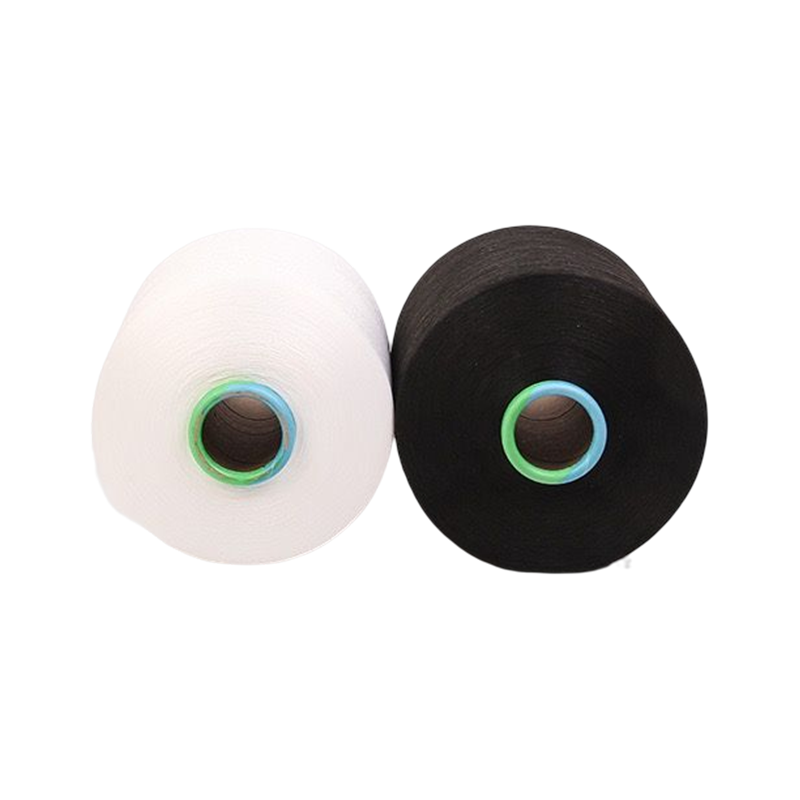
-2.png "Antibacterial and anti-odorant polyester DTY yarn White/Grey ZY0050-ZY0238FM")
-3.png "Wash-resistant and wear-resistant polyester DTY yarn Yellow/Grey/White ZY0076-ZY0334 178")
-2.png "Anti-wrinkle and antibacterial polyester DTY yarn Green Series ZG0136 Grass Green 084")
-2.png "Lightweight soft polyester DTY yarn Light Pink/Red/White/Purple/Yellow ZR0161-ZR0313 758")
-3.png "Full-color custom polyester DTY yarn Silver Series ZE0006-ZE0668 121")
-2.png "High elastic environmentally friendly polyester DTY yarn Blue Series ZB0118 350")
-2.png "Multifunctional Environmentally friendly recycled polyester DTY yarn Purple ZP0471-ZP0566 306")
