English
 Español


Article Directory
- 1 What Is Recycled Polyester Draw Textured Yarn?
- 2 Environmental Impact: Why Recycled Polyester DTY Yarn Matters
- 3 Performance Advantages for Textile Manufacturing
- 4 Real-World Applications for Recycled Polyester DTY Yarn
- 5 Comparing Recycled Polyester DTY Yarn with Conventional Alternatives
- 6 Selecting Recycled Polyester DTY Yarn for Your Application
- 7 Future Developments in Recycled Textile Technology
- 8 Frequently Asked Questions About Recycled Polyester DTY Yarn
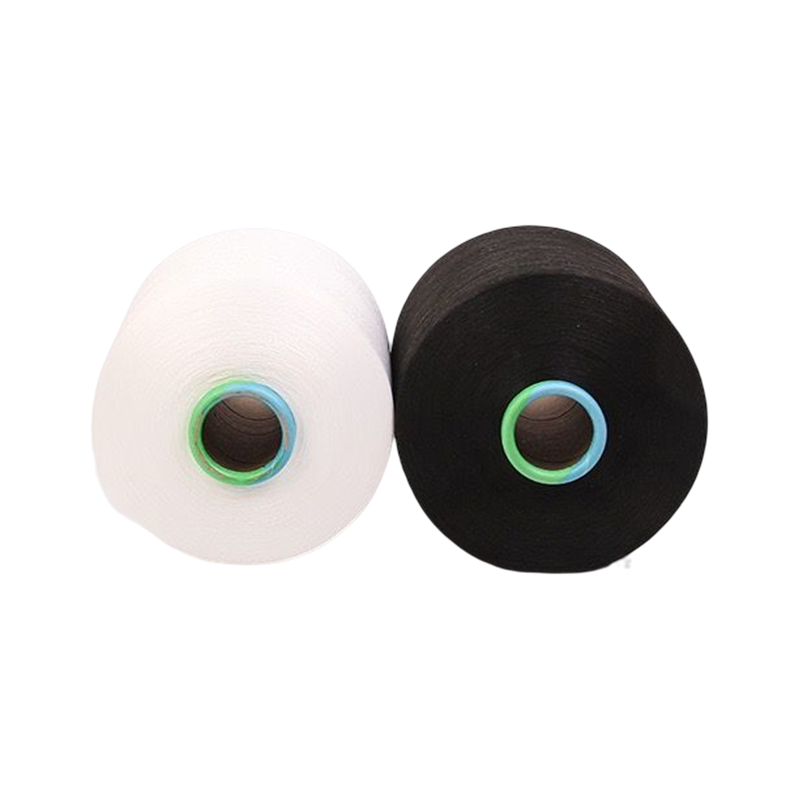
Recycled polyester draw textured yarn combines the high-performance properties of traditional polyester DTY with the environmental responsibility of recycled materials. As textile manufacturers face increasing pressure to reduce their carbon footprint, recycled polyester DTY yarn offers a practical solution that maintains fabric quality while supporting circular economy principles.
What Is Recycled Polyester Draw Textured Yarn?
Recycled polyester DTY yarn is a textured filament yarn manufactured from post-consumer polyester waste and industrial scraps through a specialized process of polymer preparation, melt spinning, drawing, texturing, and heat setting. Unlike conventional polyester DTY produced from virgin petroleum resources, recycled versions transform used PET bottles and polyester fabric waste into high-quality yarn suitable for modern textile applications.
Key Characteristics That Define Performance
Environmental Impact: Why Recycled Polyester DTY Yarn Matters
The environmental benefits of recycled polyester draw textured yarn extend throughout the supply chain. By redirecting polyester waste from landfills into production, manufacturers reduce virgin resource extraction while maintaining the structural integrity that modern textiles demand.
Reducing Plastic Waste and Resource Consumption
Every kilogram of recycled polyester DTY yarn produced prevents approximately 2.7 kilograms of post-consumer waste from entering landfills. The recycling process eliminates the need for oil extraction, reducing greenhouse gas emissions by up to 40% compared to virgin polyester production. Textile manufacturers adopting recycled DTY yarn support circular economy models while maintaining consistent supply chain reliability.
Recycled polyester DTY yarn represents a fundamental shift in how the textile industry approaches resource management—delivering environmental responsibility without sacrificing the technical performance that modern apparel and home textiles demand.
Performance Advantages for Textile Manufacturing
Advanced recycling technologies and precision manufacturing ensure that recycled polyester DTY yarn delivers comparable performance to virgin alternatives across critical metrics.
Softness, Elasticity, and Durability
The textured structure of recycled DTY yarn creates crimp patterns that improve fabric stretch and recovery. Manufacturers report equivalent wearing comfort, shape retention, and abrasion resistance in finished textiles. This makes recycled polyester draw textured yarn suitable for performance-oriented applications where traditional virgin DTY has been standard.
Real-World Applications for Recycled Polyester DTY Yarn
Apparel and Sportswear
Casual wear, activewear, and fashion garments benefit from the soft feel and stretch properties of recycled polyester DTY yarn. Brands targeting eco-conscious consumers gain a transparent sustainability narrative while maintaining performance specifications.
Home Textiles and Functional Fabrics
Blankets, upholstery, and decorative textiles gain softness and bulk from recycled DTY yarn. Outdoor and performance textiles rely on the consistent strength and durability that advanced recycled yarn provides without compromising weather resistance.
Comparing Recycled Polyester DTY Yarn with Conventional Alternatives
| Feature | Recycled Polyester DTY Yarn | Conventional Polyester DTY |
| Raw Material Source | Post-consumer PET bottles and polyester waste | Virgin polyester from petroleum extraction |
| Environmental Impact | 40% lower carbon emissions; supports circular economy | Higher fossil fuel dependence; linear model |
| Textile Performance | Equivalent elasticity, softness, and durability | Established standard performance baseline |
| Supply Chain Transparency | Traceable recycled material origin; growing certification standards | Well-established supply networks; commodity pricing |
| Cost Profile | Competitive; prices declining as volume scales | Lower baseline; subject to oil price volatility |
Selecting Recycled Polyester DTY Yarn for Your Application
Critical Evaluation Factors
Successful textile production with recycled polyester draw textured yarn requires matching yarn specifications to end-use requirements. Consider denier, filament count, strength ratings, and crimp stability relative to your fabric construction and production speed. Verify material traceability and recycled content certification to support sustainability marketing claims. Test yarn performance in your specific weaving or knitting environment to ensure process compatibility and finished product consistency.
Future Developments in Recycled Textile Technology
Recycled polyester DTY yarn continues to evolve. Emerging technologies promise improved recycled material purity, enhanced functional properties including moisture-wicking and antibacterial characteristics, and production efficiency gains that will drive wider adoption. The textile industry's transition toward circular manufacturing depends on materials like recycled polyester draw textured yarn becoming the standard rather than a premium alternative.
Frequently Asked Questions About Recycled Polyester DTY Yarn
Does recycled polyester DTY perform as well as virgin polyester?
Yes. Advanced recycling processes and manufacturing controls ensure recycled polyester DTY yarn meets or exceeds performance standards for elasticity, softness, strength, and abrasion resistance. Textile manufacturers report equivalent processing performance and finished fabric quality when specifications are properly matched.
Where does the polyester waste come from?
Recycled polyester draw textured yarn is produced from post-consumer PET bottles, end-of-life polyester textiles, and industrial production scraps. Quality suppliers maintain traceability standards and segregate materials to ensure consistent yarn properties and support sustainability certifications.
How much environmental benefit does recycled yarn provide?
Recycled polyester DTY yarn reduces carbon emissions by approximately 40% compared to virgin polyester production, eliminates landfill waste, and reduces water consumption significantly. Each ton of recycled yarn production prevents approximately 2.7 tons of waste while avoiding oil extraction equivalent to roughly 1.5 barrels of crude oil.
Can I use recycled polyester DTY in my existing equipment?
Recycled polyester draw textured yarn processes in standard textile equipment designed for conventional DTY. No equipment modifications are required, though sample testing is recommended to verify performance compatibility with your specific weaving, knitting, or processing speeds and tensions.