
 English
 Español


Article Directory
- 1 1. Optical Mechanics: The Science of Light Reflection and Soil Hiding
- 2 2. Mechanical Durability and Resiliency in High-Traffic Zones
- 3 3. Maintenance Cycles and Long-Term Lifespan Extension
- 4 Conclusion: The Strategic Engineering of Surfaces
- 4.1 Frequently Asked Questions (FAQ)
- 4.1.1 1. Why is trilobal polyester yarn better for hiding dirt than round yarn?
- 4.1.2 2. Does high luster trilobal polyester yarn fade over time?
- 4.1.3 3. Is trilobal polyester DTY suitable for residential use?
- 4.1.4 4. How trilobal yarn hides dirt compared to nylon?
- 4.1.5 5. What is the impact of trilobal polyester yarn resilience on carpet matting?
- 4.2 Industry References
- 4.1 Frequently Asked Questions (FAQ)
In the high-traffic environments of commercial real estate, the longevity of flooring is often dictated not by structural failure, but by "optical failure"—the point at which a carpet appears dirty despite regular cleaning. The engineering of trilobal polyester yarn addresses this specific challenge through advanced polymer cross-sectioning. Hengke Textile Technology Co., Ltd., a leading exporter headquartered in Zhejiang, China, specializes in the marketing of specialized textile products including trilobal polyester yarn, nylon, and ACY. Under the leadership of Mr. Daniel Wang, our company has established a reputation for transparency and quality in multi-million dollar global trades. This article examines the technical mechanics of trilobal vs round polyester yarn and how soil-hiding properties of trilobal yarn contribute to a significant extension in the functional lifespan of commercial carpets.
-1.png)
1. Optical Mechanics: The Science of Light Reflection and Soil Hiding
The "trilobal" designation refers to a fiber cross-section with three distinct lobes. This geometry is engineered to manipulate light through refraction and reflection. While a standard round cross-section polyester yarn acts like a magnifying glass—enlarging the appearance of dirt particles trapped beneath the surface—the trilobal polyester fiber light reflection scatters light in multiple directions. This creates a diffused optical effect that effectively hides soil from the naked eye. When comparing trilobal vs delta cross section yarn, the trilobal structure provides a higher "glitter" factor and superior soil-hiding capabilities. By reducing the visibility of particulates, trilobal polyester yarn ensures that the carpet maintains its "new" appearance for a longer duration between deep extraction cleanings.
Optical Performance Comparison
- Light Scattering: The lobes act as prisms, diffusing light to mask trapped debris.
- Surface Luster: The high luster trilobal polyester yarn provides a vibrant sheen that standard matte fibers lack.
| Fiber Shape | Optical Effect on Soil | Visual Texture |
| Standard Round | Magnifies dirt particles | Matte and flat |
| Trilobal Polyester Yarn | Hides soil via light diffusion | Vibrant and lustrous |
| Delta Section | Moderate soil hiding | Semi-lustrous |
2. Mechanical Durability and Resiliency in High-Traffic Zones
Beyond optical hiding, the physical architecture of trilobal polyester yarn impacts the mechanical recovery of the carpet pile. Commercial carpets suffer from "crushing" in heavy-use corridors. The trilobal polyester yarn for commercial carpets is often produced as trilobal polyester DTY (Drawn Textured Yarn) to provide bulk and loft. This textured trilobal polyester yarn offers higher resilience; the three-lobe structure acts as a structural reinforcement that resists flattening better than traditional circular fibers. In the polyester yarn manufacturing for trilobal shapes, the cooling rate of the polymer must be precisely controlled to maintain the integrity of the lobes, ensuring the fiber remains "springy" under foot traffic. For engineers, the trilobal polyester yarn resilience is a primary metric when calculating the total cost of ownership (TCO) for facility flooring.
Physical Property Sequence
- Extrusion: Using specialized spinnerets to form the three-lobed trilobal polyester yarn filaments.
- Texturing: Applying heat and friction to create textured trilobal polyester yarn for added bulk.
- Resilience Testing: Measuring the recovery rate after weight compression to simulate foot traffic.
- Bending Stiffness
| Property | Round Fiber Performance | Trilobal Fiber Performance |
| Pile Recovery | Moderate (Prone to matting) | High (Resists crushing) |
| Soil Entrapment | Surface-level (Visible) | Sub-surface (Hidden) |
3. Maintenance Cycles and Long-Term Lifespan Extension
The benefits of trilobal polyester yarn in carpets extend directly into the maintenance budget. Because the fiber masks soil so effectively, the frequency of aggressive wet cleanings can be reduced. Excessive moisture and chemical cleaners can degrade carpet backings over time; thus, fewer cleanings lead to a longer physical lifespan. How trilobal yarn hides dirt is essentially a passive maintenance strategy. When comparing trilobal polyester vs nylon for carpets, polyester offers superior stain resistance because it lacks the dye sites that absorb liquid spills. This chemical inertness, combined with the trilobal polyester yarn soil-hiding effect, makes it an ideal candidate for hotels, offices, and airports where both appearance and longevity are paramount.
Conclusion: The Strategic Engineering of Surfaces
The soil-hiding properties of trilobal polyester yarn do more than just improve aesthetics—they technically extend the functional life of commercial carpets by delaying optical failure and improving pile resilience. By scattering light and resisting mechanical crushing, this fiber shape reduces the need for frequent, damaging cleanings. Hengke Textile Technology Co., Ltd. remains committed to providing high-quality trilobal polyester yarn solutions to the global market, ensuring that our clients benefit from the most advanced developments in textile engineering.
Frequently Asked Questions (FAQ)
1. Why is trilobal polyester yarn better for hiding dirt than round yarn?
The three lobes of the trilobal polyester yarn scatter light in multiple directions, which diffuses the visual image of soil particles, whereas round fibers tend to magnify them.
2. Does high luster trilobal polyester yarn fade over time?
No, the luster is a result of the trilobal polyester fiber light reflection properties inherent in the fiber's shape, not a coating, so it remains for the life of the carpet.
3. Is trilobal polyester DTY suitable for residential use?
Absolutely. While highly effective in commercial zones, the bulk and soft hand-feel of textured trilobal polyester yarn make it a popular choice for high-end residential rugs as well.
4. How trilobal yarn hides dirt compared to nylon?
Both can have trilobal shapes, but trilobal polyester yarn has the added advantage of being naturally hydrophobic, meaning it resists liquid stains better than nylon.
5. What is the impact of trilobal polyester yarn resilience on carpet matting?
The geometric lobes provide a stiffer structure to the individual filament, which helps the carpet pile stand upright and recover from furniture weight and foot traffic more effectively.
Industry References
- ISO 2076: Textiles — Man-made fibres — Generic names.
- AATCC Test Method 134: Electrostatic Propensity of Carpets.
- ASTM D5252: Standard Practice for the Operation of the Hexapod Tumble Drum Tester (Resilience).
- Hengke Textile Group: "Internal Analysis of Light Refraction in Multi-Lobed Polyester Filaments" (2025).
-2.png "Lightweight soft polyester DTY yarn Light Pink/Red/White/Purple/Yellow ZR0161-ZR0313 758")
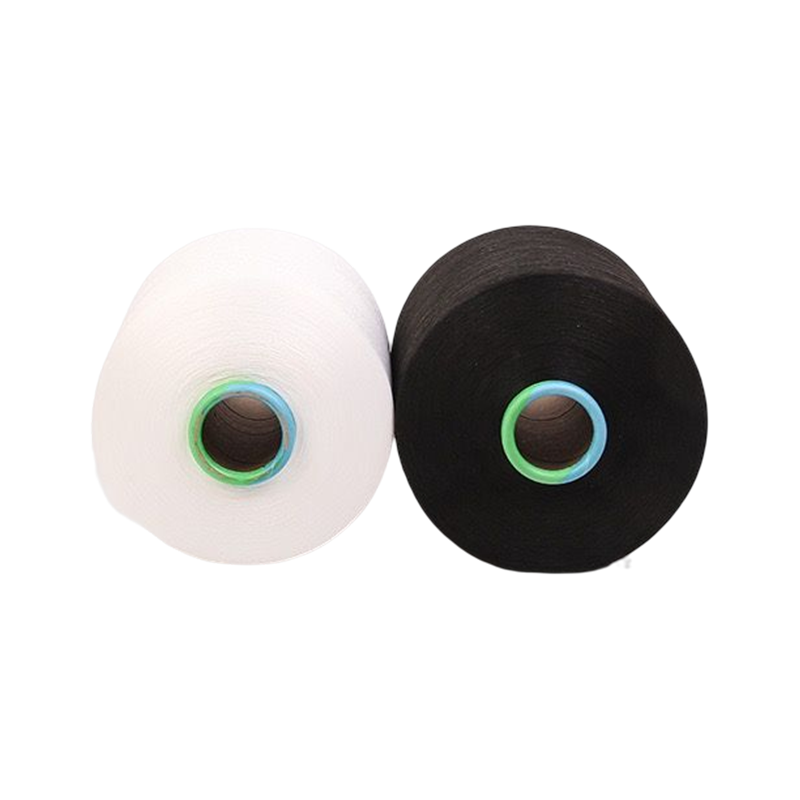
-2.png "Antibacterial and anti-odorant polyester DTY yarn White/Grey ZY0050-ZY0238FM")
-3.png "Wash-resistant and wear-resistant polyester DTY yarn Yellow/Grey/White ZY0076-ZY0334 178")
-3.png "Full-color custom polyester DTY yarn Silver Series ZE0006-ZE0668 121")
-2.png "High elastic environmentally friendly polyester DTY yarn Blue Series ZB0118 350")
-2.png "Anti-wrinkle and antibacterial polyester DTY yarn Green Series ZG0136 Grass Green 084")
-2.png "Multifunctional Environmentally friendly recycled polyester DTY yarn Purple ZP0471-ZP0566 306")
