
 English
 Español


Article Directory
A batch of Polyester DTY yarn that tests well for stretch recovery can still fail on a fabric line if its crimp level and yarn evenness weren't checked against the actual knitting or weaving process. Draw Textured Yarn earns its reputation for softness and elasticity only when denier, filament count, crimp performance, and strength are matched to the fabric it's going into.
FundamentalsWhat Is Polyester DTY Yarn
Polyester Draw Textured Yarn is produced by drawing and texturing polyester filament yarn until it develops a crimped structure, giving it more elasticity, volume, and softness than Fully Drawn Yarn. That bulkier, more flexible structure is what makes DTY the default choice for fabrics built around comfort and texture rather than flat structure alone.
ApplicationSelect DTY Yarn by Fabric Type
Apparel fabrics need soft hand feel and suitable elasticity, with medium or fine denier and good crimp stability for casual wear and knitted fabrics. Sportswear pushes further toward high elasticity, stable crimp, and a fine filament structure to support moisture management and stretch recovery in activewear. Home textiles favor higher bulkiness and abrasion resistance for blankets and upholstery, while industrial textiles prioritize higher tensile strength and dimensional stability for reinforcement and functional fabrics.
Fine Denier DTY
Softer fabric feel, lightweight structure, and better drape — suited to fashion fabrics and lightweight clothing.
High Denier DTY
Higher durability and better coverage — suited to heavy fabrics and industrial textiles.
DTY Performance Profile by Yarn Type
SpecificationChoose Denier and Filament Count
Denier sets fabric weight and hand feel, while filament count shapes softness and coverage independently of thickness. Low filament count keeps the yarn structure clear and the fabric feel firmer; high filament count softens the touch and fills out fabric appearance, which matters for anything marketed on comfort.
Typical Denier by Fabric Application
TextureMatch Yarn Texture to Appearance Goals
| Soft DTY Yarn | Smooth touch, better flexibility | Apparel and baby textiles |
| High Bulk DTY Yarn | Fuller appearance, increased volume | Blankets and upholstery |
| Low Shrinkage DTY Yarn | Better shape retention | Precision textile applications |
A quality Polyester DTY yarn should deliver uniform dye absorption and stable crimp consistency batch to batch — inconsistent texturing is one of the fastest ways to introduce visible streaking after dyeing.
PitfallsCommon Mistakes When Choosing DTY Yarn
- Selecting only on priceLow-cost yarn often brings poor fabric appearance and higher processing losses.
- Ignoring fabric end useSportswear needs high elasticity DTY, blankets need high bulk DTY, and fashion fabrics need soft, fine DTY — one specification rarely covers all three.
- Overlooking quality consistencyYarn evenness, strength variation, and crimp consistency all affect dyeing stability and waste rates.
Frequently Asked Questions
What makes DTY yarn different from FDY yarn?
DTY goes through an additional texturing process that adds a crimped structure, giving it more elasticity, bulk, and softness than the smoother, flatter FDY yarn.
Which DTY yarn works best for sportswear?
Fine filament, high elasticity DTY yarn with stable crimp performance suits sportswear best, supporting stretch recovery and moisture management.
Does higher filament count always mean better fabric?
Not always — higher filament count improves softness and coverage, but low filament count can be preferable when a firmer, more defined fabric structure is the goal.
Why does crimp consistency matter for dyeing?
Uneven crimp texturing absorbs dye at different rates across the yarn, which can show up as visible streaking or inconsistent color once the fabric is finished.
-3.png "Full-color custom polyester DTY yarn Silver Series ZE0006-ZE0668 121")
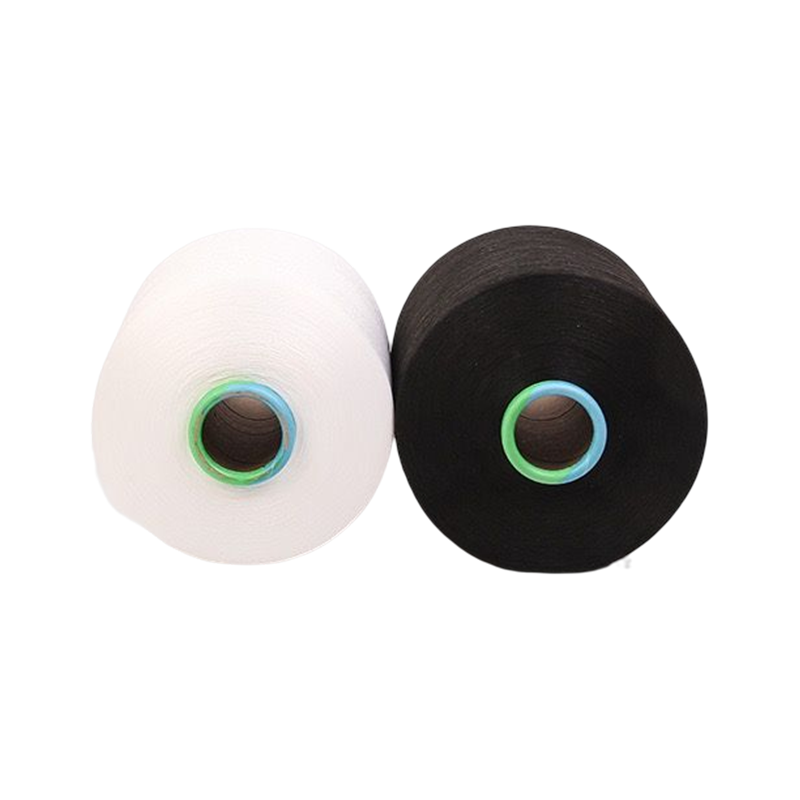
-2.png "Antibacterial and anti-odorant polyester DTY yarn White/Grey ZY0050-ZY0238FM")
-2.png "Lightweight soft polyester DTY yarn Light Pink/Red/White/Purple/Yellow ZR0161-ZR0313 758")
-3.png "Wash-resistant and wear-resistant polyester DTY yarn Yellow/Grey/White ZY0076-ZY0334 178")
-2.png "High elastic environmentally friendly polyester DTY yarn Blue Series ZB0118 350")
-2.png "Anti-wrinkle and antibacterial polyester DTY yarn Green Series ZG0136 Grass Green 084")
-2.png "Multifunctional Environmentally friendly recycled polyester DTY yarn Purple ZP0471-ZP0566 306")
