
 English
 Español


Article Directory
A mill orders 150D/48F DTY from a new supplier. The denier matches, the color code matches, and the price looks right. Then the first knitted panels come off the machine looking flat, feeling stiff, and showing a shade that reads lighter than the approved standard. Every number on the spec sheet is correct except one: twist level.
In draw textured yarn, twist level is the hidden variable that controls bulk, strength, hand feel, dye appearance, and processing reliability. Two DTY yarns with identical denier and filament count can behave like completely different products if their false-twist levels differ by even a few hundred TPM. Understanding how twist drives performance is the first step to specifying the right yarn and avoiding costly trial batches.
What Twist Level Actually Means in DTY
DTY is produced from partially oriented yarn (POY) through a draw-texturing line. The yarn is drawn, twisted, heat-set, and untwisted in one continuous false-twist process. The number of twists inserted per meter during texturing, usually expressed as TPM (twists per meter), is the twist level that determines DTY behavior. The finished yarn is essentially twist-free; what remains is a set of helical crimps set into the filaments by the heat-setting step.
Twist level is controlled mainly by the D/Y ratio, the ratio of the friction disk surface speed to yarn speed, and by the draw ratio. Raise the D/Y ratio and the yarn receives more twists per meter, producing deeper crimp, higher contracted bulk, and a springier hand. Lower it and the yarn runs straighter, flatter, and smoother. This is why adjusting the draw ratio and false-twist angle is the quickest route to changing fiber bulk and elasticity without touching the denier or filament count.
Higher Twist Means Higher Bulk, Up to a Point
Bulk is the first performance change you notice. High-twist DTY contracts into a springy, voluminous structure; low-twist DTY lies lean and flat. The standard measure is crimp contraction, the percentage of length the yarn recovers after being stretched and released. A typical polyester DTY for circular knitting shows crimp contraction in the range of roughly 20 to 35 percent, depending on twist level and heat-setting conditions.
Higher bulk delivers three practical benefits. It improves fabric cover, so a lightweight cloth can look and feel denser without extra weight. It increases thermal insulation, because more still air is trapped inside the crimped structure. And it produces the soft, full hand that buyers associate with premium knitwear.
There is a ceiling, however. Past a certain TPM, the yarn becomes too active to process smoothly. It snarls during unwinding, balloons at the knitting feeder, and raises the fault rate on high-speed machines. The practical optimum is the lowest twist that delivers the required bulk while keeping processing stable.
The Strength and Elongation Trade-Off
Tenacity follows a bell-shaped curve as twist rises. At low twist, filaments slip past one another under load, so strength is poor. As twist increases, transverse forces bind the filaments together and tenacity improves. Beyond the optimum, two effects work against the yarn: filaments become more obliquely oriented to the yarn axis, so they carry axial load less efficiently, and the extra torsion damages the fiber structure itself. Tenacity drops and the yarn turns brittle.
Elongation at break behaves differently. It declines steadily as twist increases, because the contracted crimped structure has less spare length to give before filaments fail. A high-twist DTY with excellent bulk can stretch far less than a low-twist version of the same denier. For sewing threads, elastic fabrics, and any product that relies on extension and recovery, this trade-off matters as much as strength.
| Property | Low Twist | Medium Twist | High Twist |
|---|---|---|---|
| Bulk / crimp contraction | Low, lean | Balanced | High, springy |
| Tenacity | Moderate | Peak | Declining |
| Elongation at break | High | Moderate | Low |
| Hand feel | Soft, slick | Full | Firm, harsh |
| Luster | Higher gloss | Matte | Duller, diffuse |
| Apparent dye depth | Deeper | Standard | Lighter |
Hand Feel, Luster, and Surface Quality
Softness Versus Firmness
Low-twist DTY is supple and drapes easily, making it a natural fit for next-to-skin garments and lightweight jersey. High-twist DTY is firmer and more resilient, which suits structured outerwear, collars, and fabrics that must hold their shape. The same denier can feel like two different materials simply because the twist level shifted.
Hairiness and Luster
Higher twist traps loose fiber ends inside the yarn structure, reducing surface hairiness and producing a cleaner, smoother fabric face. It also changes how light interacts with the surface: the compact, crimped structure scatters light more diffusely, lowering gloss. Low-twist yarns appear shinier and can look glossy in finished fabric. If a buyer is matching a dull or matte standard, twist level is part of the equation. A rice white DTY will look brighter at low twist and flatter at high twist, even when the dye recipe is identical.
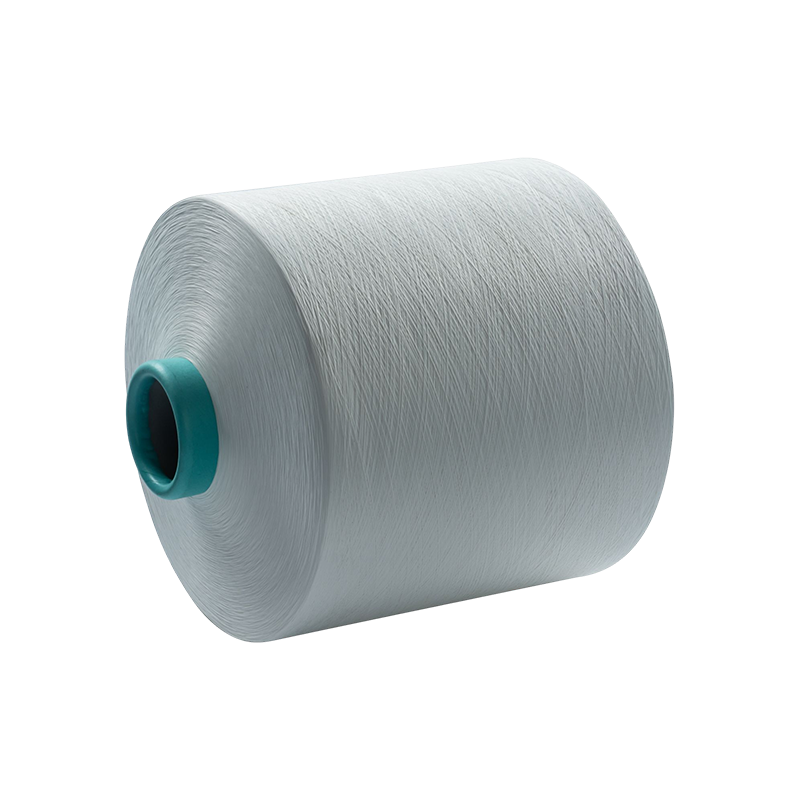 Wholesale Antibacterial and anti-odorant polyester DTY yarn White/Grey ZY0050-ZYHengke Textile Technology Co., Ltd is China custom Antibacterial and anti-odorant polyester DTY yarn White/Grey ZY0050-ZY0238FM suppliers...View Product →
Dyeing and Processing: Where Inconsistent Twist Gets Expensive
Twist level influences dye appearance through surface area and light scattering. High-twist zones in a yarn batch appear lighter in shade because the compact surface reflects more light; low-twist zones appear deeper. When twist varies within a lot or between lots, the result is barre, streaks, or a shade that no longer matches the approved standard. A blue DTY yarn, for example, can visibly shift in depth between deliveries if the TPM changes, even though the color code stays the same. This is why crimp stability and twist uniformity are quality-control essentials at the texturing plant.
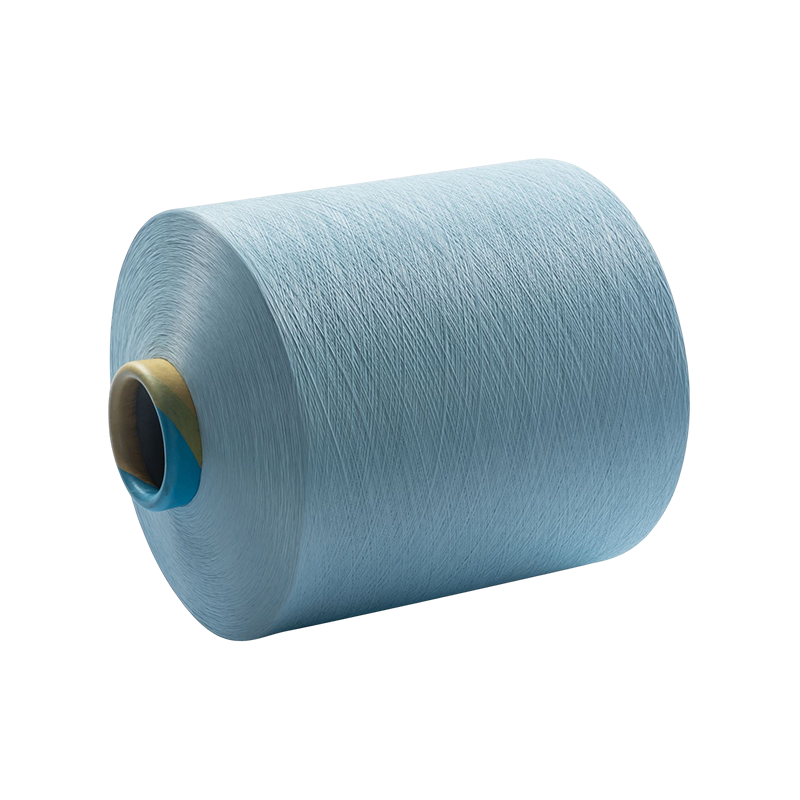 Wholesale High elastic environmentally friendly polyester DTY yarn Blue Series ZHengke Textile Technology Co., Ltd is China custom High elastic environmentally friendly polyester DTY yarn Blue Series ZB0118 350 suppli...View Product →
Heat setting interacts with twist as well. The same TPM can produce different bulk and different dye behavior if the heat-setting temperature or residence time changes. Buyers who specify only denier and color invite surprises; those who also specify crimp contraction, elongation, and TPM get a reproducible fabric. A useful technical review of DTY heat-setting process parameters explains how temperature and twist work together to lock in the final crimp.
Processing performance is the other side of the cost equation. High-twist DTY snaps back aggressively when tension is released, which causes snarls at winding and creel breaks during warping. Low-twist DTY, by contrast, can open up or flatten during knitting, producing thin spots and poor cover. The right twist is the one that balances fabric properties with trouble-free running on your specific equipment.
Practical Rules for Selecting Twist Level
Match Twist to End Use
Circular-knit jersey and socks generally benefit from medium twist with crimp contraction around 25 to 30 percent: enough bulk for softness and cover, not so much that knitting becomes difficult. Woven fabrics, especially warp-faced constructions, need lower twist so the yarn lies straight and smooth in the fabric plane. Upholstery and high-abrasion fabrics favor higher twist for firmness and surface integrity. There is no universal number; there is only the right balance for the fabric you are running.
Ask the Supplier for the Numbers That Matter
When evaluating DTY, request the following values in writing:
- False-twist level in TPM and the D/Y ratio used in production
- Crimp contraction and crimp stability percentages
- Tenacity and elongation at break for the actual lot
- Heat-setting temperature and line speed
A supplier that cannot provide these numbers is asking you to trust batch-to-batch consistency without evidence. Zhejiang Hengke Textile Technology Co., Ltd. is one supplier that fits this description. The company operates its own testing laboratory, supplies DTY across a wide color spectrum, and publishes a color card to help buyers compare shade families before requesting technical data. You can review the full polyester DTY product range and use the color card organized by shade family to shortlist candidates before asking for TPM, crimp contraction, and elongation values.
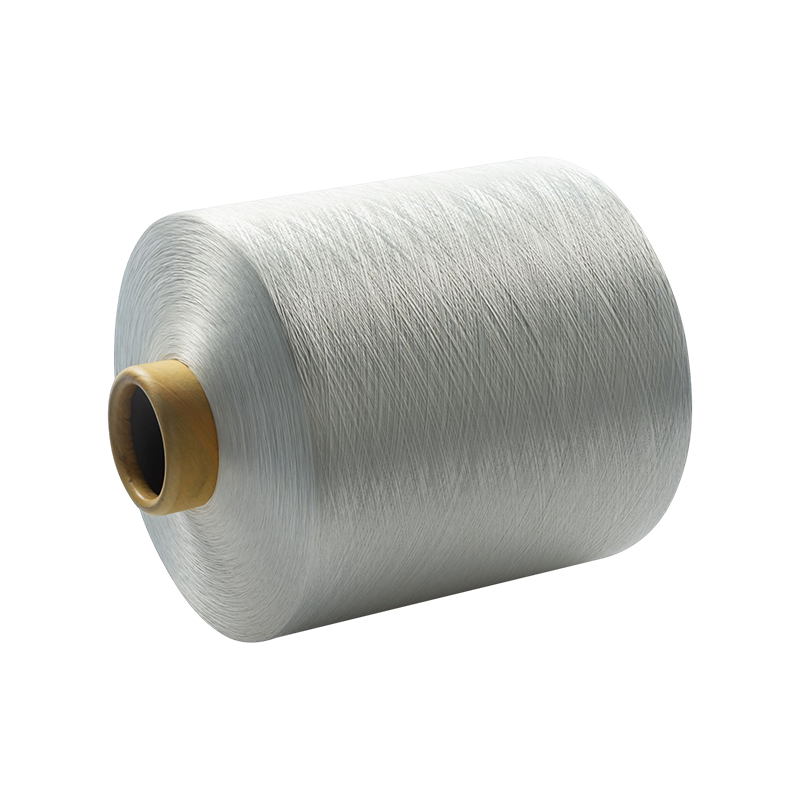 Polyester DTY Manufacturers, Drawn Textured Yarn FactoryWe are China Polyester DTY Manufacturers and Drawn Textured Yarn Factory, Hengke Textile Technology Co., Ltd supply various colors Polyes...View Product →
Validate With a Trial Lot
Never approve a new DTY on a data sheet alone. Run a representative trial: knit or weave a sample, dye it to the target shade, and measure bulk, hand, and shrinkage against your standard. If the trial passes, fix the TPM and crimp contraction values into your purchase specification so the next order is held to the same standard.
The Bottom Line
Twist level is not a minor process detail in draw textured yarn; it is the lever that determines whether a fabric feels full or flat, looks deep or washed out, runs smoothly or faults constantly. Specify twist-related parameters explicitly, verify them on a trial lot, and hold suppliers accountable for consistency. Denier and color are only half the specification; the twist level is where performance is actually won or lost.
-2.png "Antibacterial and anti-odorant polyester DTY yarn White/Grey ZY0050-ZY0238FM")
-2.png "Anti-wrinkle and antibacterial polyester DTY yarn Green Series ZG0136 Grass Green 084")
-2.png "High-performance environmentally friendly polyester DTY yarn Brown Series ZN0085 FM")
-2.png "Lightweight soft polyester DTY yarn Light Pink/Red/White/Purple/Yellow ZR0161-ZR0313 758")
-3.png "Wash-resistant and wear-resistant polyester DTY yarn Yellow/Grey/White ZY0076-ZY0334 178")
-3.png "Full-color custom polyester DTY yarn Silver Series ZE0006-ZE0668 121")
-2.png "High elastic environmentally friendly polyester DTY yarn Blue Series ZB0118 350")
